
Other Mommy: A Horror Film With No Satisfying Payoff
 Shekharr Khandelwal
October 10, 2026
6 min read
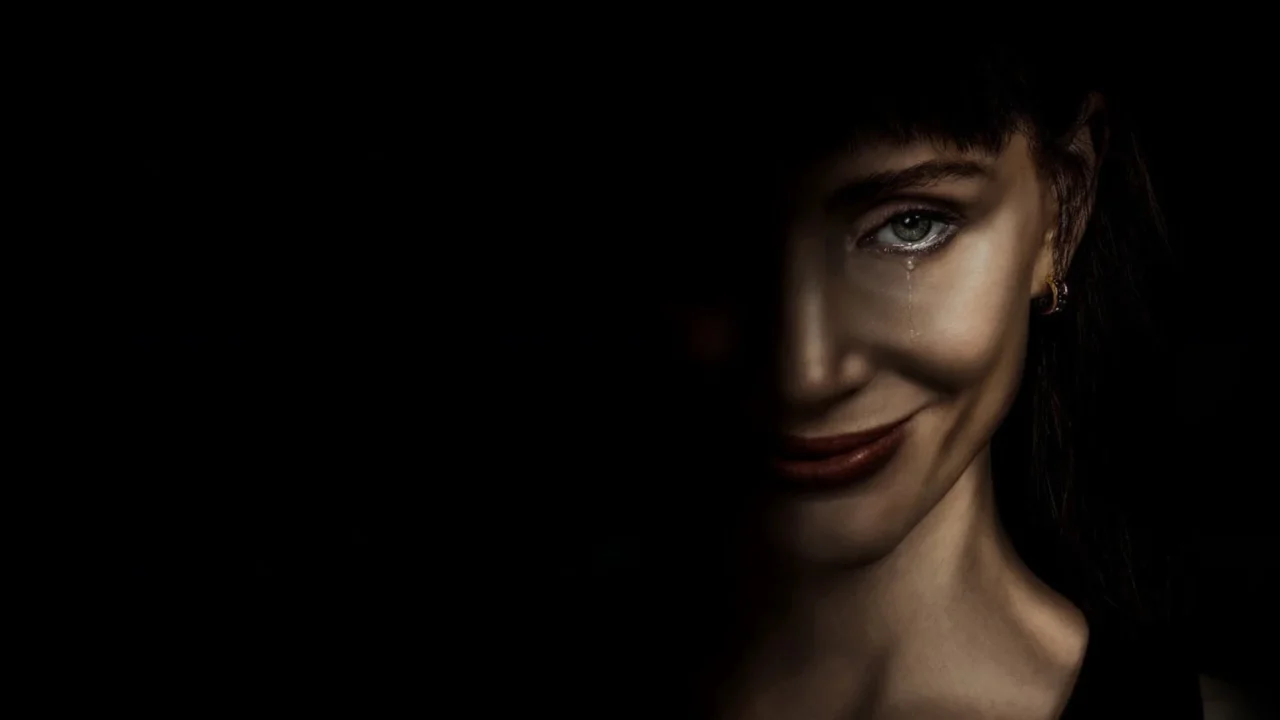
What Is Other Mommy About?
Bela has a secret door through which she can communicate with a sinister version of her mother, whom she calls “Other Mommy.” However, this entity cannot enter the real world unless Bela willingly agrees to let her take over her body by saying yes. With her real mother emotionally distant and her family struggling with secrets and dysfunction, Bela finds herself drawn towards an entity that appears to offer the connection she desperately needs, but at what cost? Will Bela give in to Other Mommy, and what happens when the entity finally gets what it wants? You will have to watch the film to find out.
Is Other Mommy Worth Watching?
Honestly, I don’t think Other Mommy is worth watching in theatres, and while I don’t usually encourage people to skip a theatrical experience, you are not missing much if you decide to wait for its digital release. The biggest problem with this film is that the story lacks a proper flow, and by the time the climax arrives, you are left wondering what the film was actually trying to achieve, with very little to take away from the experience.
The jump scares are a mixed bag, with some genuinely effective moments that catch you off guard while others feel forced and unnecessary. There are a few creative sequences scattered throughout the film, but they are not enough to compensate for the problems with the screenplay, especially when the story has the potential to be much more interesting than what eventually unfolds on screen.
What I Liked About Other Mommy
Transitions! Yes, I know it sounds strange to appreciate transitions in a horror film, but trust me when I say they are genuinely good here. They help the film move quickly from one phase to another without relying too heavily on montages or unnecessary filler footage, and I suspect this approach also helps keep the runtime short. Whatever the intention behind these transitions, they are among the most creative aspects of the film.
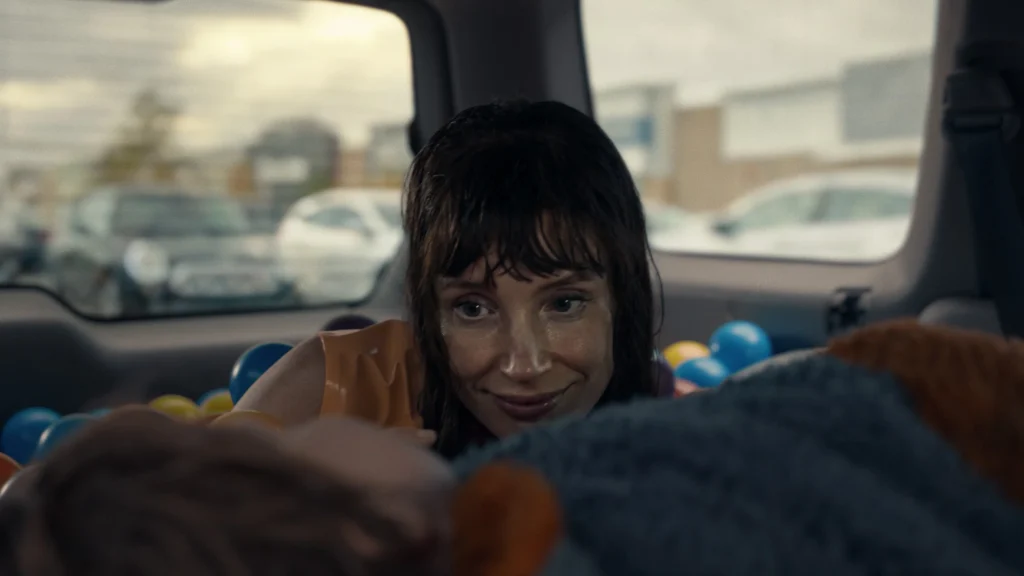
Another thing I appreciated was the film’s clear focus at the beginning, as it establishes its central idea early on and wastes little time getting into the story. Jessica Chastain also does a fabulous job, particularly in the scenes involving Other Mommy, where her presence becomes genuinely intimidating and terrifying. There was a much more interesting horror film hiding beneath these performances and creative choices, but unfortunately, the screenplay never builds on that potential in a satisfying way.
What I Did Not Like About Other Mommy
The biggest issue with Other Mommy is that, despite its best efforts to scare the audience, the film never delivers a satisfying payoff for the ideas it introduces. There are scenes that genuinely work, and the revelation of the truth to Bela is particularly emotional, but what follows that moment left me completely confused about where the story was heading. The second half feels especially messy, with no clear progression between the events, making it difficult to understand what the film wants us to feel or take away from its conclusion.
I also wish Other Mommy had maintained a more consistent appearance and presence instead of changing its look and feel during different jump scares, because the entity could have been far more frightening if the film had established a stronger identity for it. More importantly, I wanted to understand why this entity was so interested in this particular family. Giving these questions more context could have added another layer to the story and made the horror feel more meaningful instead of relying primarily on sudden scares.
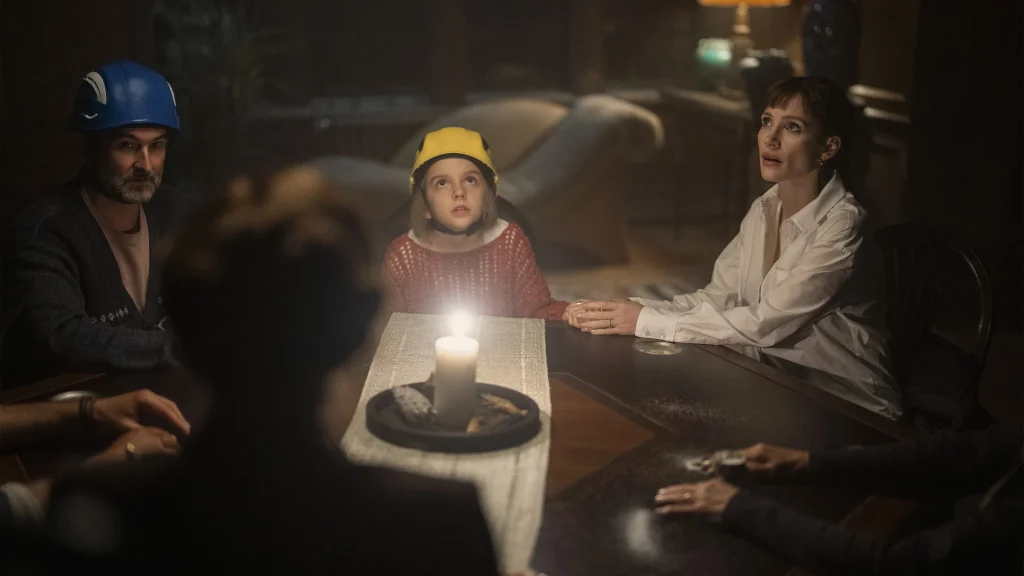
The film also introduces elements that feel as though they should play a significant role in the story, only to leave them without a satisfying purpose. For instance, what was the point of the Ghostbusters and how did their involvement contribute to the larger conflict? This is where I think the film needed a stronger screenplay, because introducing interesting elements is one thing, but making them matter to the story is what separates an effective horror film from one that simply moves from one scary sequence to another.
Personally, I think the story could have worked much better if Bela had secretly agreed to let the entity enter her body, forcing her family to find a way to separate them before it was too late. Yes, this is a familiar horror setup, but films like The Conjuring and Insidious have shown how effective this kind of conflict can be when the characters, supernatural threat, and emotional stakes are properly developed. Even if the filmmakers wanted to follow the existing story, they could have explored the family’s secrets and Bela’s emotional vulnerability in greater depth, giving the final act a stronger purpose and a more satisfying resolution.
Final Thoughts
I really want James Wan to return to directing more horror films instead of focusing so much on producing these family-friendly, PG-13 horror projects. His audience has grown up watching films like Saw, The Conjuring, and Insidious, so there is an expectation that his horror projects will deliver more than a few jump scares and a relatively safe viewing experience. When a film has such a promising concept but fails to develop it properly, it becomes difficult to recommend it to friends and family, especially when the genre has delivered much stronger experiences in the past.
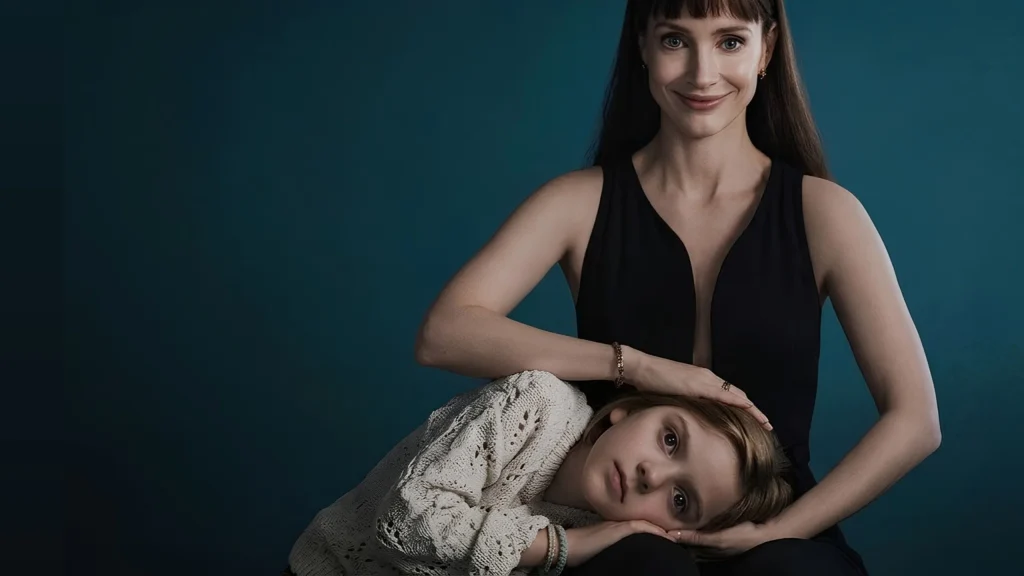
I say this because James Wan and the people associated with his horror projects have helped shape what modern mainstream horror can look like, and I genuinely want to see that creative ambition return. Horror does not always need to be graphic or disturbing to be effective, but it does need a strong story, memorable scares, and a payoff that makes the experience worthwhile. I hope the team takes this feedback seriously and finds a way to bring that spark back, because I would much rather support their next project than walk out of another film wondering what the point of it all was.

Discussion
Join the conversation — comments are for members.
Create an account or log in