
The Odyssey: A Great Epic, But Not Nolan’s Masterpiece
 Shekharr Khandelwal
July 23, 2026
6 min read
Shekharr Khandelwal
July 23, 2026
6 min read
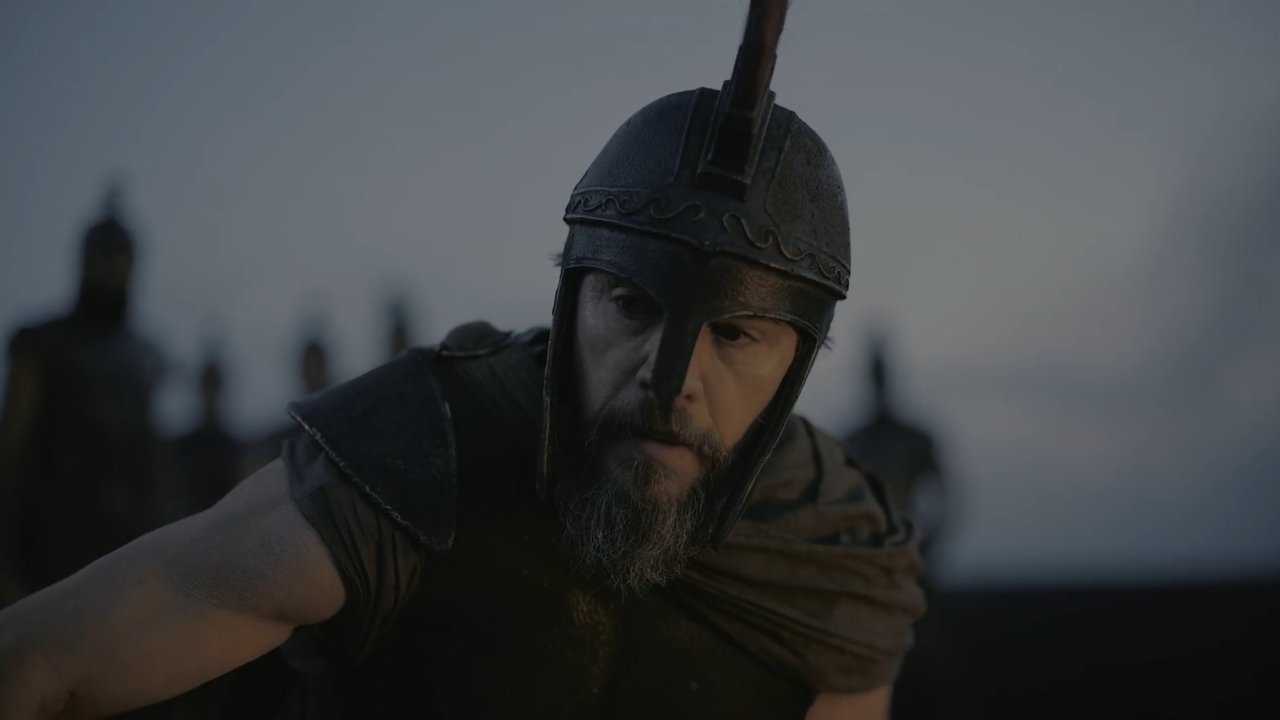
Christopher Nolan’s The Odyssey is undoubtedly one of the most ambitious films of his career. It is visually spectacular, technically impressive, and filled with memorable moments. But after all the hype surrounding its release, I walked out of the theater feeling that it wasn’t quite the masterpiece many people are calling it.
I genuinely enjoyed the film and would happily watch it again. It has several incredible sequences that reminded me why Nolan remains one of the most exciting filmmakers working today. At the same time, I also found a few creative decisions that kept it from reaching the same heights as films like Interstellar or The Prestige.
The Editing Constantly Pulled Me Out of the Film
As someone who works as a video editor, the editing was the first thing that stood out to me. Throughout the film, many dramatic conversations are interrupted by cuts before a character even finishes delivering a line. Of course, reaction shots are important and every scene needs visual movement, but here it happens so frequently that it becomes distracting.
When a character is experiencing pain, confusion, guilt, or desperation, I want to stay with that emotion for a few extra seconds. Instead, the perspective often changes too quickly, making it harder to fully absorb what the character is feeling. In some scenes, these abrupt cuts also affect the sense of continuity.
There could be perfectly valid reasons behind this approach. Perhaps Nolan wanted to prevent an already lengthy film from feeling slower, or maybe shooting the entire production with IMAX cameras influenced the editing workflow. I don’t know the exact reason, but it was something I noticed repeatedly throughout the film.
The Scale Didn’t Match the Enormous Hype
The adventure itself is genuinely entertaining. Watching Odysseus and his crew travel from island to island, encountering new creatures and impossible situations, captures the spirit of Homer’s epic remarkably well. Those moments kept me engaged.
My issue wasn’t with the journey itself. It was with the expectations created before release. The marketing consistently described this as Christopher Nolan’s biggest project ever, emphasizing practical filmmaking, real locations, and extensive IMAX photography. I have tremendous respect for that achievement.
However, many of the film’s biggest moments arrive and disappear so quickly that they never fully build the sense of awe I was expecting. I understand that Homer’s original poem is enormous and impossible to adapt scene-for-scene into a single film, but I still found myself missing the overwhelming emotional and cinematic scale that Nolan achieved in films like Interstellar. The ambition is undeniable. The emotional payoff simply didn’t reach the same level for me.
The Story Left Some Powerful Moments Underdeveloped
The story itself isn’t the problem. Before watching the film, I had already explored Homer’s original epic, so I knew certain sections would inevitably be condensed. That never bothered me. What did leave me wanting more were a few specific sequences that felt emotionally incomplete.
Take the Sirens, for example. Odysseus’s reaction is incredibly powerful. He’s overwhelmed, emotionally shattered, and brought to tears. But the audience never truly experiences what he’s hearing. Let us hear those voices. Let us understand what temptation sounds like to him so we can share that emotional moment instead of simply observing it.
I felt something similar during the dragon and whirlpool sequences. Visually they were impressive, but I never experienced the overwhelming terror or sense of danger I expected from scenes that legendary. This also brings me to something I’ve noticed in the conversation surrounding the film.
Almost every discussion revolves around IMAX. Yes, Nolan continues to push filmmaking technology forward, but Christopher Nolan became one of cinema’s most respected directors because of his storytelling, not because he shoots with IMAX cameras. IMAX is a tool that enhances his vision. It isn’t the vision itself.
The story deserves just as much discussion as the format used to present it.
Where The Odyssey Truly Shines
Despite my criticisms, there are several aspects of The Odyssey that I absolutely loved. The film’s central conflict between gods and humanity is beautifully executed. Odysseus constantly believes he can outsmart destiny, challenge divine authority, and protect everyone around him through sheer determination. Yet every victory feeds his pride, and that same arrogance slowly becomes the reason everything falls apart. It’s a mature and surprisingly thoughtful exploration of ego, fate, and surrender.
The prophecy sequence is easily my favorite scene in the entire film. When Odysseus learns that he will eventually return home but only after twenty years, everything changes. By then, his wife may no longer be the person he remembers, his kingdom may belong to someone else, and perhaps most devastating of all, he realizes that he will make the journey home alone.
That single sequence contains hope, dread, regret, grief, and acceptance all at once. Ludwig Göransson’s haunting Shepard Tone elevates the entire moment, creating one of the most emotionally overwhelming scenes Nolan has directed in years.
I also loved the first meeting between Telemachus and Odysseus. It’s a remarkably restrained scene. There are no exaggerated speeches or melodramatic performances. Instead, the emotion comes entirely from what remains unspoken. Watching Telemachus struggle to contain years of longing while finally standing before his father creates one of the film’s most human moments.
Finally, one aspect that resonated with me personally was how often the story reminded me of the Ramayana.
I don’t know whether Nolan intended these parallels, but throughout the film I found myself thinking about exile, the painful journey home, the emotional trials awaiting the hero, and even moments that felt reminiscent of the Agni Pariksha and the swayamvara. Perhaps that’s why the story connected with me on such a personal level. These themes are deeply rooted in Indian storytelling, making Odysseus’s journey feel surprisingly familiar.
Is The Odyssey worth watching?
I absolutely recommend watching The Odyssey. It’s an ambitious, beautifully crafted epic that deserves to be experienced in theaters, and I fully intend to watch it again.
But do I think The Odyssey is Christopher Nolan’s masterpiece? No.
Did it completely live up to the enormous expectations created by its marketing? Not for me.
I also think the conversation around the film has become overly focused on IMAX presentation instead of discussing the storytelling itself.
Does The Odyssey have any post-credit scenes?
No, there are no post-credit or mid-credit scenes. So you are safe to leave the theatre. Yes, I am aware of the Matt Damon and Michael Caine clip that is going viral, but trust me, those are just memes.
Discussion
Join the conversation — comments are for members.
Create an account or log in