
Verity: Dark, Twisted and Surprisingly Addictive
 Shekharr Khandelwal
October 8, 2026
10 min read
Plot of Verity
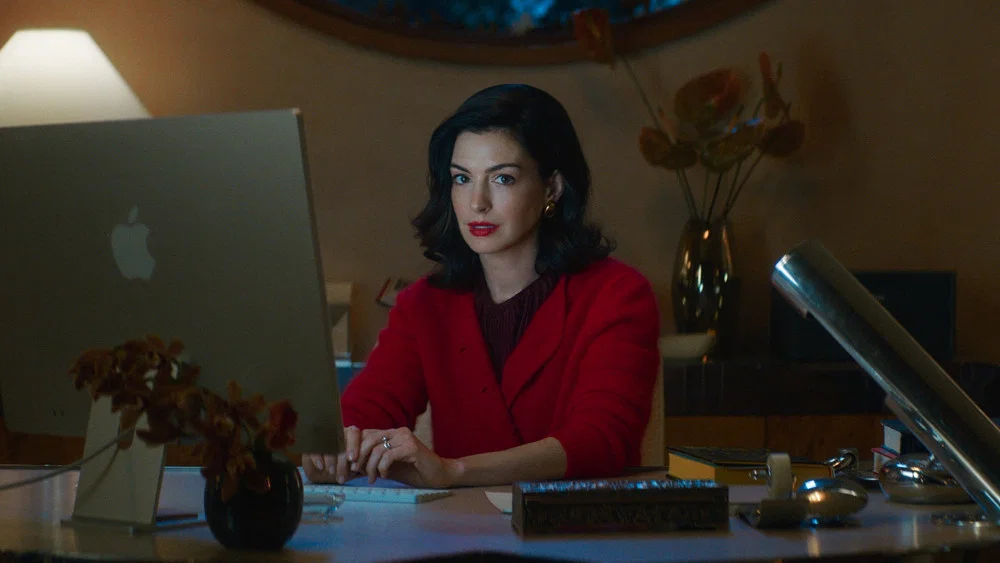
Verity Crawford is a successful writer known for creating dark and disturbing characters in her novels, and she is the kind of writer whose imagination is wild enough to turn almost anything into a successful book. She is bold, confident, and seemingly in complete control of her world, until an accident leaves her paralysed and unable to finish the novel she is currently working on. With the publisher’s deadline approaching, they bring in Lowen, a relatively unknown writer who happens to work in a similar genre, to complete Verity’s unfinished novel.
Lowen agrees to take up the job and ends up staying at Verity’s house while she works on the manuscript, but the house slowly starts feeling less like a place where she is supposed to finish a book and more like a place where something is being hidden from her. While snooping around, Lowen discovers another manuscript that looks like a confession written by Verity herself, and what she reads completely changes the way she looks at the woman lying in front of her. From here, the mystery starts getting darker, and every character begins to feel a little more suspicious.
What makes Verity interesting is that the film does not simply give you a clear good guy and bad guy and ask you to pick a side, because almost everyone has something uncomfortable about them. As Lowen gets deeper into Verity’s story, you start questioning what is real, what is manipulation and what might simply be another layer of someone’s imagination. The film keeps playing with that uncertainty without giving you an easy answer, which becomes especially important when you reach the climax.
Is Verity Worth Watching?
Yes, Verity is absolutely worth watching in theatres, especially if you enjoy dark psychological thrillers that keep making you question the characters you are watching. The film has a good flow, some genuinely strong performances and a story that constantly keeps you wondering whether you should trust what you are being shown. What I particularly liked is how uncomfortable the characters can make you feel, because there were moments where I felt bad for someone and then immediately found myself angry at the same person.
That grey area is probably the strongest part of the film for me, because Verity is not really interested in giving you a character who is completely innocent or completely evil. It keeps testing your morality and makes you question what you would believe if you were in Lowen’s position, especially when the information you receive keeps changing the way you look at everyone. Even after the film ends, you are left thinking about what actually happened and whether the version you believe is really the truth.
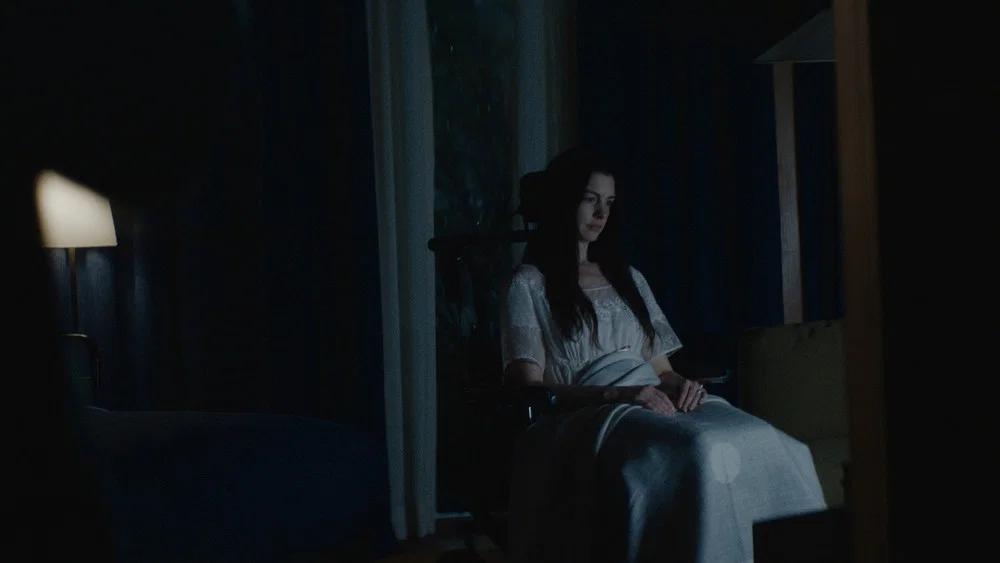
The open ending works because the film does not force a definitive answer down your throat, and instead leaves enough room for you to interpret what happened yourself. The climax itself is predictable and relatively simple, but I actually liked the decision to leave the final interpretation open because it gave me something to think about after spending a couple of hours in the cinema. The dark atmosphere also works really well on a big screen, and surprisingly, Indian censorship has allowed quite a lot of the film’s darker and more intimate material to remain.
Acting
Anne Hathaway is, as usual, phenomenal, and she has this natural touch to whatever she does that makes even a fairly controlled performance feel extremely watchable. Her work here reminded me somewhat of what I saw from her in one of the episodes of Modern Love, because there is something very grounded about the way she approaches the character while still making her feel bold, obsessive and unpredictable. She never feels like she is trying too hard to convince us that Verity is complicated, because the performance itself does that work.
What I particularly enjoyed was the way her character dictates the story and slowly starts manipulating not just Lowen, but also us as viewers. She can make you feel bad for her, make you question what you thought about her and then completely change that feeling with something as simple as the way she delivers a line or looks at someone. That manipulation became one of my favourite aspects of her performance because I genuinely found myself reacting to Verity rather than simply watching Anne Hathaway play her.
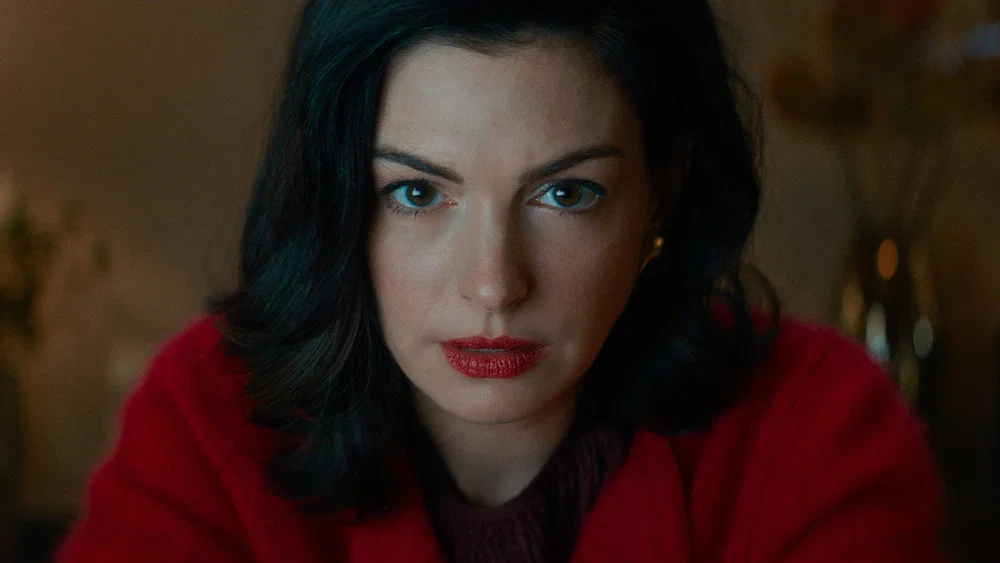
The climax itself was predictable for me, but the way Anne Hathaway executed it was superb, and that is where the performance becomes more important than the actual surprise. You may already have an idea of where things are heading, but she knows exactly how to sell the emotion and the character’s state of mind when you get there. Big ups to the director as well, because the flow leading into that moment was handled properly and allowed the performance to actually land instead of rushing towards the ending.
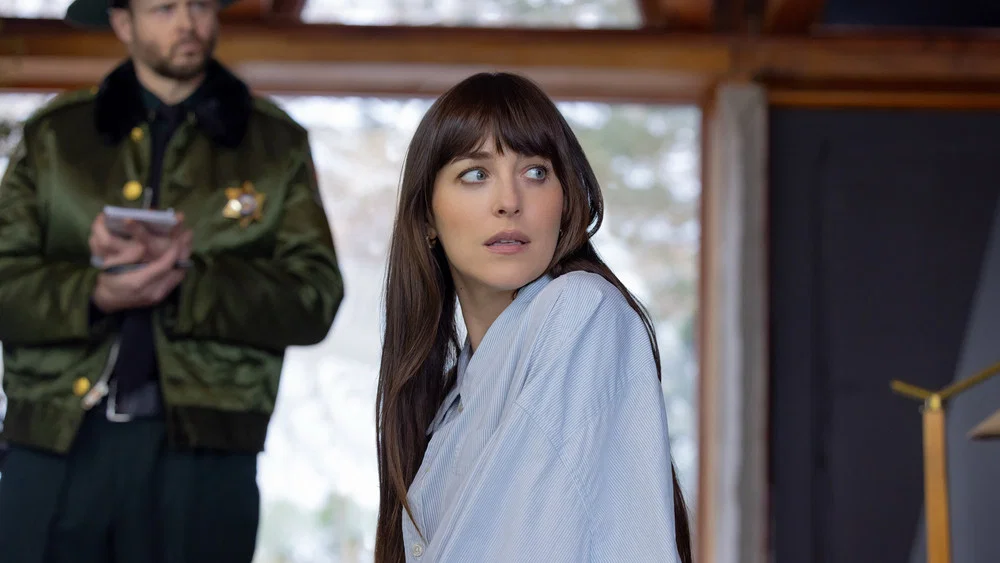
Dakota Johnson is pretty amazing too, although the energy she brings to the character is almost exactly what she describes in the film itself as a boring resting face. We have seen a similar kind of performance from her in films like Materialists and some of her other work, so there is not necessarily a completely new side to her performance here. But honestly, she does this kind of restrained character extremely well, so I did not mind that we have seen something similar from her before.
Her performance works because whatever Lowen is feeling while reading the manuscript, you can feel that reaction through Dakota Johnson as well. Confusion, discomfort, suspicion, fear and curiosity are all communicated without the character constantly explaining what she is thinking, and for me, that is always a good sign of a convincing performance. Jeremy is good too, but his work inevitably gets overshadowed by these two wonderful actors because Hathaway and Johnson are carrying so much of the film’s emotional and psychological weight.
What I Liked About Verity
I know the film can probably never completely do justice to the book, but I think the cinematography and editing did a really good job of bringing the story as close to that experience as possible. There is a deliberate visual quality to the film that helps the darker parts of the story feel more unsettling without making everything look unnecessarily dramatic. The editing also keeps the story moving without allowing it to completely lose focus on the central mystery.
I also cannot forget the background score because there are certain moments where something bad is happening on screen and the music does a lot of work in delivering the thrill and emotion of that scene. It does not simply tell you that something is supposed to feel disturbing, but actually adds another layer to what you are already seeing.
The production also felt surprisingly premium to me, especially considering how intimate some of the material is. The bathtub scene, the imagination sequences, the cuckold scene and everything else that happens throughout the film have been executed in a way that feels neat and controlled rather than cheap or fake. Even when the film gets uncomfortable, it never felt like it was using those scenes simply for shock value, and that helped maintain the overall tone for me.
Another thing I appreciated is that the film does not go completely off track despite having so many opportunities to do so. There is a lot happening between these characters, there are secrets being revealed and there are moments where the story could easily have become unnecessarily complicated, but it keeps coming back to the central mystery.
And then there is the climax, which again, I found predictable, but I still liked what they did with it because of the open-ended nature of the final interpretation. I walked out of the theatre with questions rather than simply feeling like the movie had finished and there was nothing left to discuss. For a psychological thriller like this, I actually enjoy when a film gives me enough information to form an opinion but still leaves a little space for me to argue with myself about whether I am right.
What I Did Not Like About Verity
There is honestly not a lot for me to complain about because I really liked the film overall, but there were certain parts that felt too flat for me. One of the biggest issues was that I wanted to know more about Verity outside the circumstances we see in the film, especially what she was like in her normal life before everything started falling apart. That additional understanding could have helped me judge her character much better when the climax arrived.
Maybe the book gives you more of that context, but in the film I wanted to understand Verity as a person rather than only understanding her through the disturbing things surrounding her. If the movie had shown us more of her personality, her relationships and how she behaved when there was no immediate mystery happening around her, I think the moral conflict would have become even stronger. It would have made the question of whether she was genuinely a good or bad person much harder to answer.
I also kept wondering about the nurse because she was always so upfront and cold towards Lowen for seemingly no reason. That behaviour made me suspicious almost immediately, and I kept waiting for the film to explain whether she had seen something while Lowen was snooping around or whether she knew what was going to happen. Maybe there was something I missed, but I wanted that behaviour to eventually have a stronger explanation because it felt like a setup that deserved more payoff.
The other thing that bothered me was the lack of a proper alibi to justify some of the crimes happening throughout the film. There are certain things that happen which are obviously serious enough to completely change the way you look at these characters, but the film sometimes moves past them a little too easily. I wanted one strong revelation that would make everything suddenly click into place, and when that did not happen, I was left wondering whether it was an intentional choice or simply lazy writing.
Still, despite those complaints, I genuinely liked Verity and I think it works because the film understands what kind of experience it wants to create. It gives you strong performances, a dark atmosphere, good editing, an effective score and enough moral ambiguity to keep you thinking even after the credits. The climax may be predictable, but the open ending gives the film another layer because you are still left debating what the actual truth was.
Overall, Verity is a dark psychological thriller that I would recommend watching in theatres while it is still screening in India, especially if you enjoy films where the characters make you uncomfortable and the story does not hand you a clean answer. Anne Hathaway and Dakota Johnson are the biggest reason to watch it for me, but the cinematography, editing, background score and premium production also make the experience work. There was enough here to keep me invested till the end. Go watch it while it is still in theatres.
Discussion
Join the conversation — comments are for members.
Create an account or log in